

The 2026 Wave of Insolvencies in Germany: Current Developments and Forecasts
Insolvency figures in Germany will reach a new record high in 2026, according to the Halle Institute for Economic Research’s June insolvency report.
The Current Situation: All-Time Highs
 In June, 1,702 corporate insolvencies were recorded, representing a 20% increase compared to the previous year. Even more concerning is the trend in the second quarter: with 4,996 cases, the quarter reached its highest level in 21 years. Approximately 45,500 employees were directly affected during this period alone.
The monthly trend shows a clear upward trajectory. In January 2026, there were 1,620 insolvencies, representing an 8% increase from the previous year. In February, the number rose to 2,053 insolvencies, a 12% increase from the previous year. March recorded 1,725 insolvencies, a 9% increase. April reached 1,776 insolvencies, a 10% increase from the previous year. In May, 1,520 insolvencies were recorded, a 5% increase from the previous year. June closed with 1,702 insolvencies, representing a 20% increase from the previous year.
Causes: Why the Wave of Insolvencies Is Happening Now
The current wave of bankruptcies is not a short-term phenomenon, but rather the result of several structural pressures. Since 2024, companies have been required to repay the government support loans they received during the COVID-19 pandemic. Many are no longer able to meet their debt service obligations, leading to a rising number of bankruptcies.
Energy costs remain high, which is particularly burdensome for energy-intensive industries such as chemicals, metals, and mechanical engineering. At the same time, high interest rates are weighing especially heavily on the construction and real estate sectors. The increase in the minimum wage to €12.82 in 2026 and the planned increase to €13.90 in 2027 are placing an additional burden on low-margin industries such as hospitality and retail. Furthermore, real retail sales in March 2026 are 2.0% below the previous year’s level, indicating weak consumer demand.
The Middle East conflict is acting as a catalyst. According to Allianz Trade and its insolvency study, it is driving up insolvencies worldwide at twice the rate originally forecast. Global forecasts have been revised upward from +3% to +6%. Germany expects an increase of +2% to 24,650 cases, the highest level since 2012.
Affected Industries: Who Is Suffering the Most
Three industries are posting record figures and account for about 45% of all business insolvencies. The hotel and restaurant industries are suffering from the return to a 19% value-added tax in 2024, weak consumer sentiment, and rising labor costs. Insolvencies in these sectors rose by 27%.
The real estate sector is struggling with weak residential construction, high interest rates, and a standstill in construction projects. The construction industry has seen a 10% increase, the retail sector a 15% increase, and the manufacturing sector a 24% increase. Logistics and mechanical engineering have also been particularly hard hit. 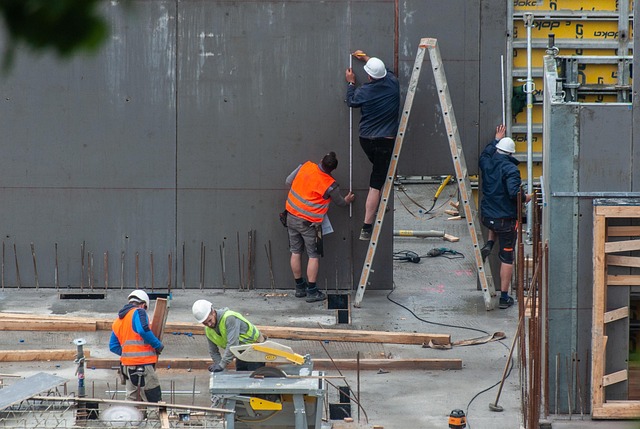
In 2025, there were 475 major insolvencies worldwide—defined as companies with revenue exceeding €50 million—which equates to one major insolvency every 18 hours. Germany recorded 94 major insolvencies, an 8% increase compared to 2024. The affected sectors include services—particularly healthcare—as well as the automotive, chemical, metal, construction, and retail industries. Major insolvencies carry the risk of chain reactions in supply chains, especially for small and medium-sized enterprises that depend on individual major customers.
Global Comparison: Where Does Germany Stand?
Insolvency trends vary by region. The Asia-Pacific region remains the primary driver of global insolvency trends. China has seen a 9% increase, driven by structural weaknesses in the real estate sector and subdued consumer demand.
In the U.S., bankruptcies are expected to rise by 9%, driven by weak consumer spending and high refinancing costs. Western Europe is seeing a further increase of 3%, remaining at an elevated level. Germany and France continue to report rising numbers.
With a 2% increase to 24,650 cases, Germany has reached its highest level since 2012. The economic situation remains challenging, marked by weak domestic economic activity, subdued consumer spending, and high energy and financing costs.
Forecast: When Will Things Calm Down?
Between 24,000 and 24,650 insolvencies are expected in Germany in 2026. Leading indicators remain at record levels, and the peak of the wave is expected by July 2026. Between 250,000 and 300,000 jobs will be affected, both directly and indirectly.
Allianz Trade expects a 2% decline to 24,150 cases in Germany in 2027, provided that the economic situation stabilizes. This will require an end to the repayment of COVID-19 aid, an economic recovery, and the de-escalation of geopolitical conflicts.
If the conflict in the Middle East escalates, insolvencies in Germany could rise to just under 25,000 cases and increase by 10% worldwide.
Conclusion: What does this mean for companies and employees?
For companies, the current situation means they must secure their liquidity and build up buffers to cope with repayments and high interest rates. Sectors particularly affected—such as construction, retail, hospitality, and real estate—must take action. Supply chains should be diversified to reduce dependence on individual major customers.
For employees, gaining qualifications in future-oriented fields such as e-mobility or IT can help ensure their employability. If they lose their jobs, employees are entitled to insolvency benefits for up to 3 months.
From a policy perspective, the ECB faces a dilemma: Interest rates that are too high weigh on the economy, while rates that are too low could reignite inflation. Structural reforms are necessary in the long term to strengthen competitiveness.