

The U.S. as Host: More Than Just Soccer
While the world watches the 2026 World Cup in the U.S., Canada, and Mexico, German companies view transatlantic trade with mixed feelings. The United States is not only the host of the world’s largest sporting event, but also a key market for European goods. However, new customs regulations have been in effect since February 2026 that directly affect exporters from the EU. This is reported, among others, by the federal government and various Chambers of Industry and Commerce in a press release. 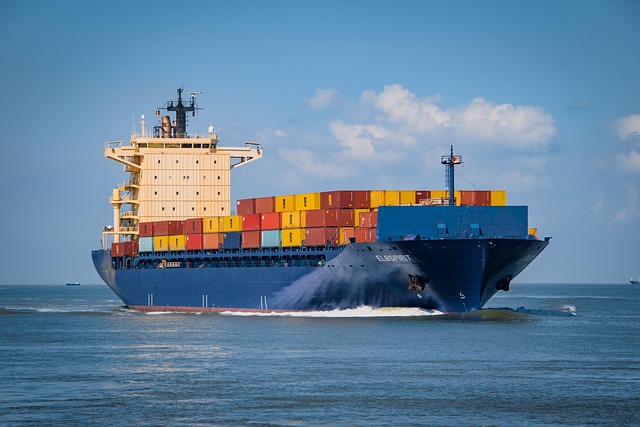
Current Customs Situation: 10% Surcharge on EU Goods
Since February 24, 2026, the United States has been imposing an additional 10% tariff on imports from the EU pursuant to Section 122 of the Trade Act of 1974. This surcharge is in addition to the regular Most-Favored-Nation (MFN) duty and applies to most goods originating in the European Union. One important exception: Aircraft, aircraft parts, generic drugs, and natural resources that are not available in the United States remain duty-free.
Sector-Specific Characteristics: Steel, Aluminum, and Semiconductors
Higher or specific tariffs apply to certain industries:
Steel, aluminum, copper: Starting in April 2026, customs duties will be calculated based on the total value of the goods, not just on the metal content. A 25% tariff has been in effect since January 2026 on semiconductors with certain technological parameters.
Automobiles and auto parts: A 15% cap currently applies here, provided the U.S. complies with the terms of the Turnberry Deal (August 2025). However, U.S. President Trump recently threatened to raise tariffs on EU cars to 25 percent, which would violate the agreement and hit European manufacturers hard.
Background: An Overview of the EU-U.S. Tariff Agreement
In August 2025, the European Commission and the United States reached a basic agreement on the level of mutual tariffs as part of the so-called Turnberry Deal. Chancellor Friedrich Merz welcomed this agreement as an important step toward preventing an escalation in transatlantic trade relations. Germany was thus able to safeguard its core interests. The agreement provides for a gradual reduction in tariffs on steel and aluminum products, provided that the United States honors its commitments. If the U.S. were to raise tariffs to over 15%, the EU could respond with retaliatory measures (bundesregierung.de).
The World Cup and the Economy: A Game with Two Halves
While the German national team is competing for the title in the U.S., domestic companies are struggling with the new trade barriers. But there is some good news: The EU and the U.S. are continuing to negotiate a lasting solution.